快捷导航


Considering team analysis structure
I think we should include a brief disclaimer about potentially outdated team news and ask the user for updates, while offering a template based on typical factors. I can draft a general analysis using common knowledge about the teams involved, like Kashima and Tokyo Verdy. Since information about specific player suspensions should not be guessed, we must clarify unknown details and suggest confirmation. I can propose an outline that covers match context, form, tactical matchups, key duels, and more. I'll create both short and long-form previews.Structuring the team preview
I need to follow the CLI guidelines, providing a structured and concise preview with bullet points. I can skip using the "Plan tool" for this straightforward writing. I’ll write a brief overview in Chinese, keeping in mind safe caveats like “根据我截至2024-10的认知.”
When discussing team styles, I’ll note that Kashima Antlers are historically strong with direct transitions and solid set-pieces. Tokyo Verdy, under Hiroshi Jofuku, tends to focus on possession and youth, building from the back with energetic pressing. However, I should avoid assuming player names, like Ueda's transfer history, and focus on the team dynamics instead.Drafting match preview framework
I see that Yuma Suzuki plays for Kashima and had returned in 2022, but I’ll be careful about including specific player names to avoid risks. I think scenario-based analysis is important, like mentioning how a suspended attacker could affect Tokyo Verdy’s performance. The header hints at a critical title race, so I should highlight stakes.
First, I’ll include a disclaimer about not having real-time news and ask for confirmation on the suspended player. I’ll propose a structured preview that includes match context, tactical matchups, key variables, expected formations, and win strategies.
Finally, I'll ask if they want a media-style preview or a data-driven analysis while keeping it concise.Creating a concise match preview
I think it’s wise to avoid hallucinations and provide a helpful guide without going too deep into specifics that weren't requested. I’ll start by crafting a concise, informative preview while including necessary caveats.
First, I’ll add a quick disclaimer. Then I’ll outline match highlights with factors like stakes, form, tempo, and set pieces. I’ll also cover tactical matchups, detail potential impacts of a suspended player—whether it's a winger or a striker—and provide a baseline expectation for the outcome. Lastly, I’ll list items to verify, and offer to tailor the preview if the user shares more specific information about the opponent, injuries, or weather conditions.
我没有你手里的最新伤停与积分形势,如果能告知具体哪位攻击手停赛、赛程轮次与主客场,我可以给出更精确的对阵稿和概率区间。先给一版通用前瞻思路,基于“东京绿茵一名攻击手停赛、鹿岛为争冠冲刺”的场景。

比赛看点
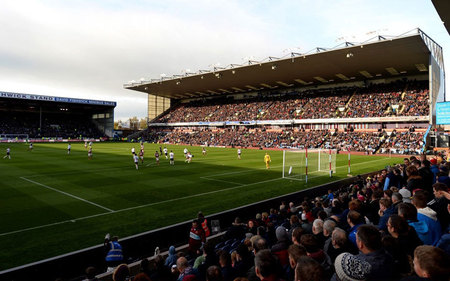
- 争冠压力:鹿岛在冲线期通常收紧风险、提高定位球与边路传中使用率,目标是先破门再控节奏。
- 绿茵变阵:攻击手停赛削弱反击与持球推进,倾向增加中场人数以稳固二防线与肋部保护。
- 先球重要性:鹿岛先进球的场景下,绿茵需要提速压上,比赛会在中后段出现更大反击空间。
- 身体对抗与二次点:鹿岛在二次落点与高位再夺回上优势明显,绿茵需控制解围质量与第二落点。
战术对位
- 鹿岛:4-2-3-1/4-4-2切换,强侧边路起球+弱侧包抄;高频角球与前点蹭 flick-on。
- 绿茵:4-3-3/3-4-2-1更稳妥,回撤为5后卫时保护肋部;出球需避免中路被反压迫,优先直塞身后。
- 关键通道:鹿岛右路传中与肋部直塞;绿茵的快速反击与背身拿球的二次做墙。
停赛影响(分支预案)
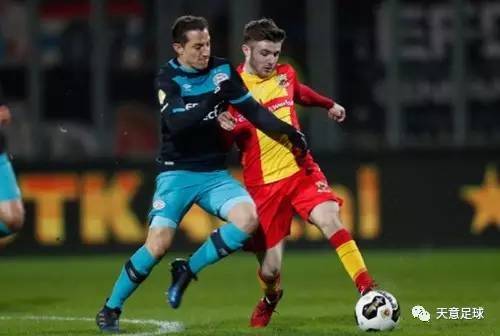
- 若停赛为边锋:绿茵边路推进与一对一过人下降,更多依赖反击中的直塞与弱侧插上;角球/定位球防守压力上升。
- 若停赛为中锋/影锋:禁区占位与做墙受损,二列插上威胁下降;可以考虑假9回撤吸引中卫,制造肋部空间。
胜负与节奏倾向(非投注建议,仅策略预期)
- 倾向:鹿岛不败更大;鹿岛小胜的剧本优于大胜,除非早早取得领先。
- 总进球:在绿茵火力被削弱时,更偏向2–3球区间;若鹿岛15–25分钟内先开纪录,上半场进球数可能抬升。
- 角球与定位球:鹿岛角球数量与有效威胁更占优,终场角球小幅领先概率高。
赛前需核实的四项
- 确切停赛/伤停名单与可能替代者(边锋则看速度型替补,中锋则看支点型人选)。
- 主裁判判罚尺度(宽松有利对抗与高位逼抢)。
- 场地与天气(雨战提高定位球/二次点偶发性)。
- 赛程密度与体能(鹿岛是否轮换边后卫与双后腰)。
需要我按“媒体前瞻稿/俱乐部官网口吻/数据化概率稿”哪一种来写?给我具体球员名字、主客场与开球时间,我补上首发预估、对位关键人和更细的比分区间。